
Bhutan Tourism:
Complete Travel Guide
Bhutan Tourism opens the door to a kingdom most of the world still hasn’t seen — cliffside monasteries, masked festival dances, and valleys where life moves at its own pace, kept that way on purpose by a country that prices access rather than chasing volume.
Places
Attraction
Best Time
Food
Culture
Everything you need to explore Bhutan, from destinations and attractions to things to do, best travel time, routes and itinerary ideas. Read our detailed Bhutan travel guides for the best information to plan your trip with confidence.
Spiritual Encounters
Outdoor Adventures
Nature & Wildlife
Local Food & Crafts
Wellness & Relaxation
Plan Your Bhutan Trip
Share your travel plans and we’ll get back with the best options.
Start Planning Your Bhutan Journey.
Plan Your Bhutan Trip
Plan Your Bhutan Trip
Plan Your Bhutan Trip
Plan Your Bhutan Trip
Plan Your Bhutan Trip
Plan Your Bhutan Trip
Plan Your Bhutan Trip
Plan Your Bhutan Trip
Around What You Actually Want to Do
Plan Bhutan Your Way
Planning Things to Do in Bhutan starts with knowing what’s realistically possible for your trip — a country this rich in cultural, spiritual, outdoor, nature, and wellness experiences rewards a focused itinerary far more than an attempt to see everything at once.
01
Tiger's Nest
Hike
02
Dzong
Visits
03
Trekking
04
Wildlife
Viewing
05
Festival
Timing
That’s where a Bhutan travel expert like EasoTrip makes the difference: matching the Tiger’s Nest hike, dzong visits, trekking, wildlife viewing, and festival timing to your specific days and interests, rather than leaving you to piece together a generic checklist.
Whether you’re drawn to adventure, culture, nature, or relaxation, EasoTrip’s on-the-ground experience helps translate that priority into an itinerary that actually works — the right destinations, the right season, and the right pace, so every day in Bhutan counts.
Tailor-made, just for you
The Right
Destinations
Handpicked places that match your interests and time.
The Right
Season
Perfect timing for festivals, weather, and experiences.
The Right
Pace
A comfortable itinerary that lets you enjoy every moment.
Bhutan expertise. Authentic experiences. Hassle-free travel. That’s the EasoTrip promise.
About Bhutan Tourism
TL;DR: Bhutan opened to tourism in 1974 and has since followed a deliberately controlled “High Value, Low Volume” model, using a daily Sustainable Development Fee to fund healthcare, education, and conservation while spanning cultural, adventure, wellness, and ecotourism experiences.
Bhutan Tourism Overview
Bhutan opened to international tourism in 1974, initially through the government-run Bhutan Tourism Corporation before privatizing the sector in 1991.
Visitor numbers have grown steadily but deliberately slowly — reflecting the country’s consistent priority of quality over volume.
Every foreign visitor’s trip involves the Sustainable Development Fee (SDF), currently USD 100/night for most nationalities (a reduced rate in effect through 31 August 2027; Indian, Bangladeshi and Maldivian nationals pay ₹1,200/night), and a licensed guide is required for travel beyond Paro and Thimphu and for entry to dzongs and monasteries — though booking a full tour operator has been optional since September 2022.
Bhutan Tourism Benefits & Importance
Tourism’s direct contribution to Bhutan’s GDP has historically sat around 5%, roughly 6% at its 2019 peak, and is the country’s second-largest sector after hydropower.
SDF revenue directly funds free healthcare and education, environmental conservation, and cultural preservation — making tourism a direct mechanism for national welfare, not just a revenue stream.
It also supports rural livelihoods through homestays, guiding, and craft sales, particularly through community-based ecotourism in Phobjikha, Haa, and eastern Bhutan.
Types of Tourism in Bhutan
Cultural
dzongs, monasteries, tshechus, crafts
Adventure
trekking, rafting, mountain biking
Nature & wildlife
national parks, sanctuaries, birdwatching
Ecotourism
community-based conservation travel (Phobjikha, Haa, eastern Bhutan)
Spiritual
pilgrimage, monasteries, meditation
Wellness
hot stone baths, Gasa’s hot springs, traditional medicine
Wedding/honeymoon
an emerging niche
High-altitude/trekking
Gasa to the Snowman Trek
Note: Tourism statistics and SDF rates change periodically — verify current figures, including any updated employment or GDP data, against Bhutan’s Department of Tourism before publishing.
Bhutan Tourism Places to Visit
TL;DR: Bhutan’s core tourism circuit spans Paro, Thimphu, and Punakha, with Phobjikha Valley, Bumthang, Haa Valley, and Gasa extending the trip for travelers with more time — full destination detail is covered in this guide’s dedicated Places to Visit in Bhutan content.
Main Bhutan Tourism Places
01
Paro
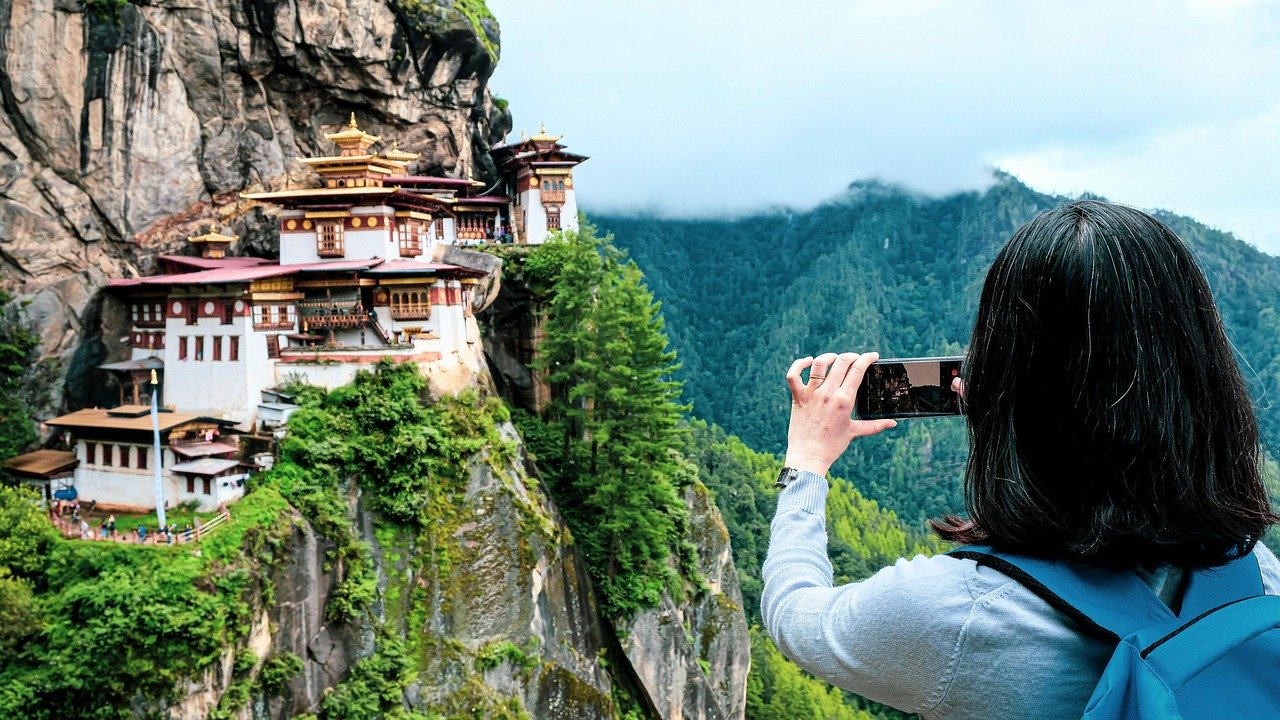
Bhutan’s air gateway, home to Taktsang Palphug Monastery (Tiger’s Nest) and Rinpung Dzong.
02
Thimphu
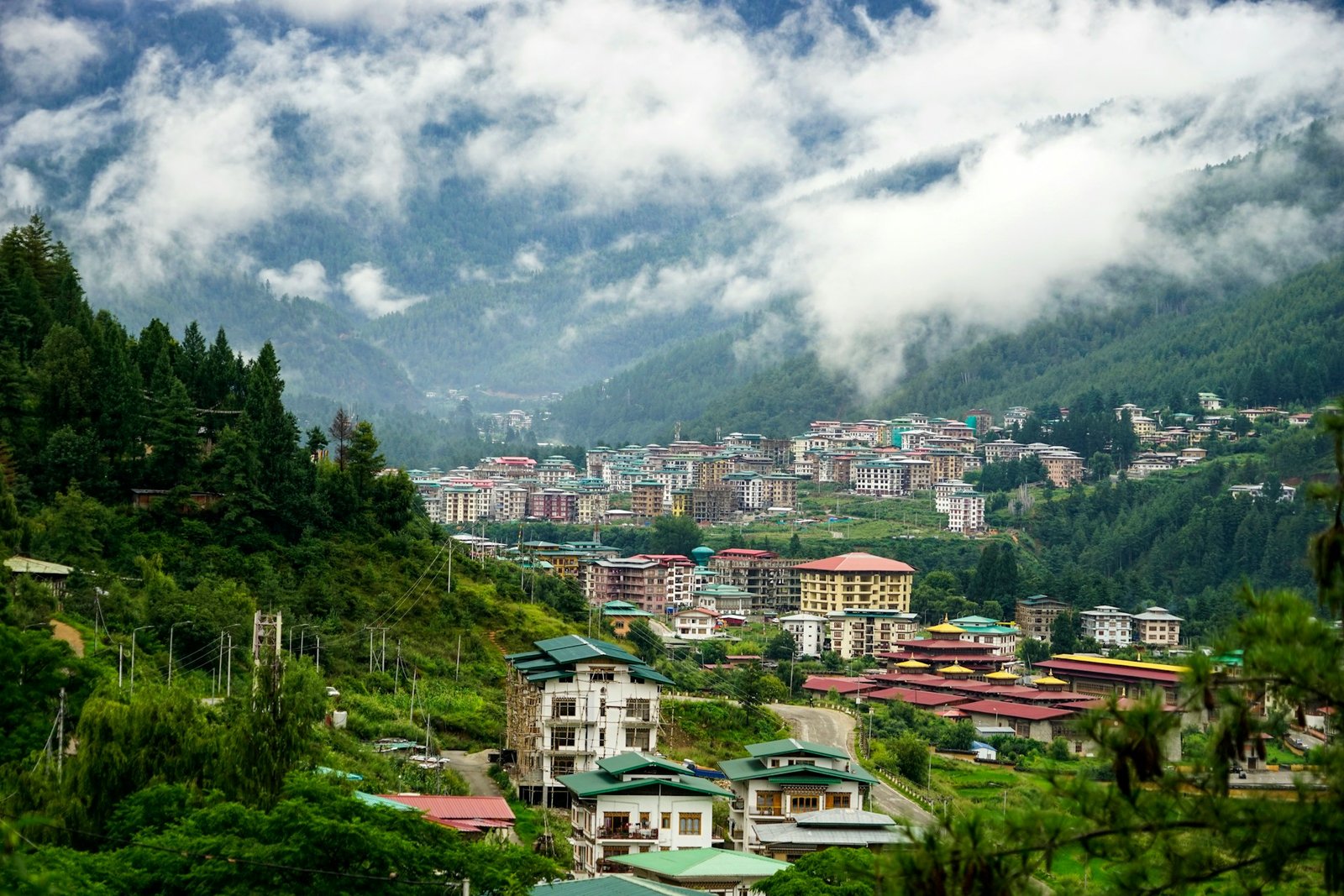
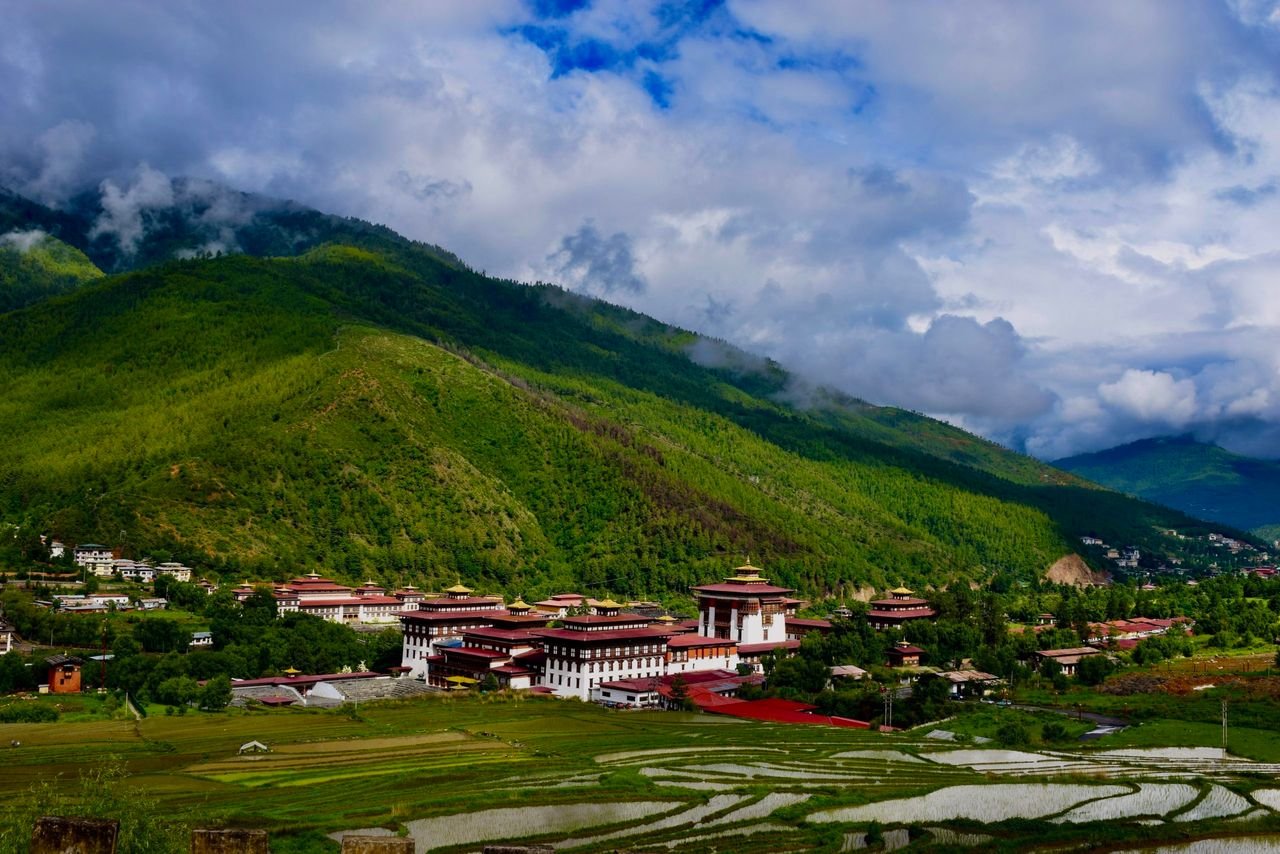
the capital, home to Tashichho Dzong, Buddha Dordenma, and the Weekend Market.
03
Punakha
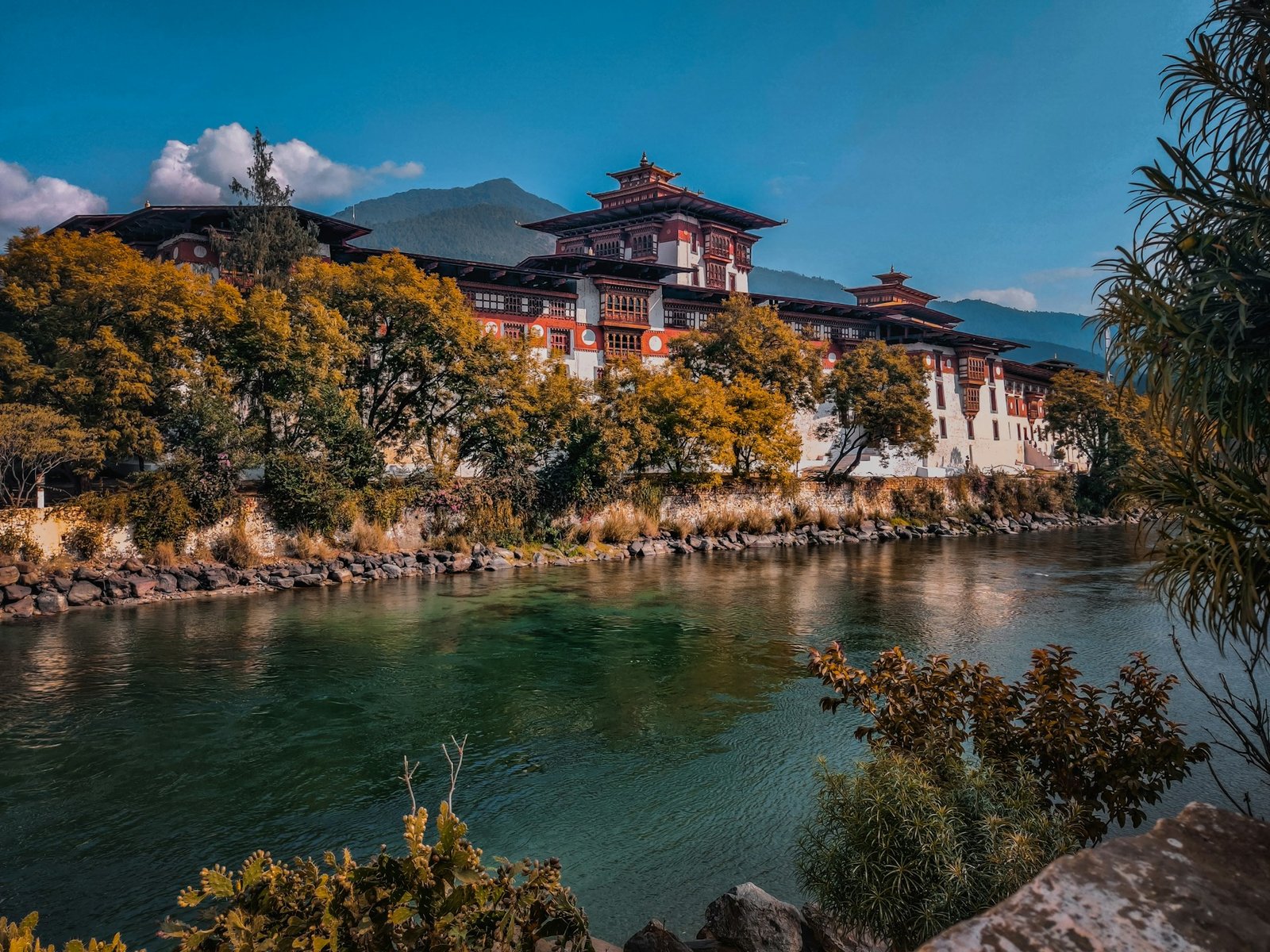
home to Punakha Dzong, widely considered Bhutan’s most architecturally significant fortress.
04
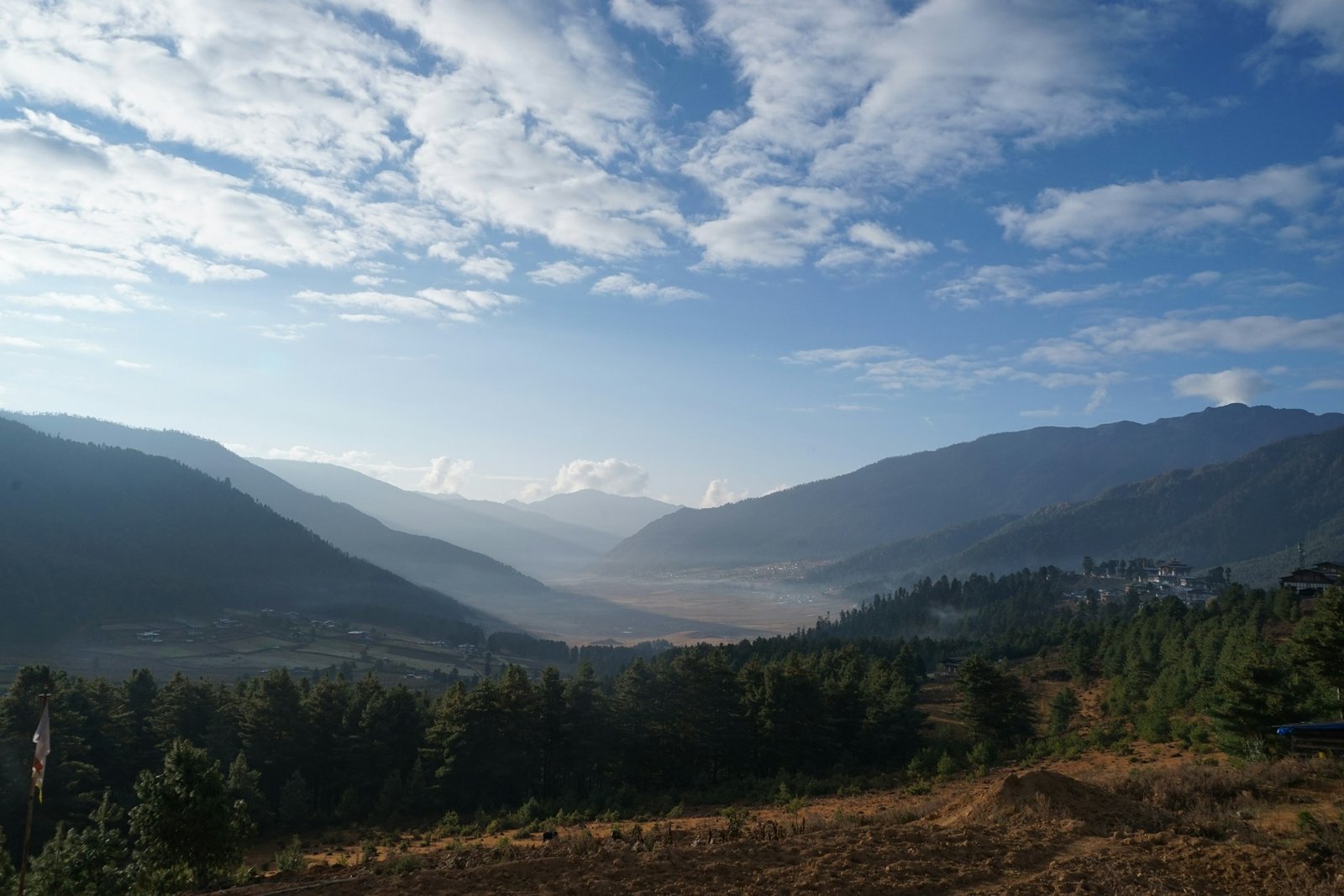
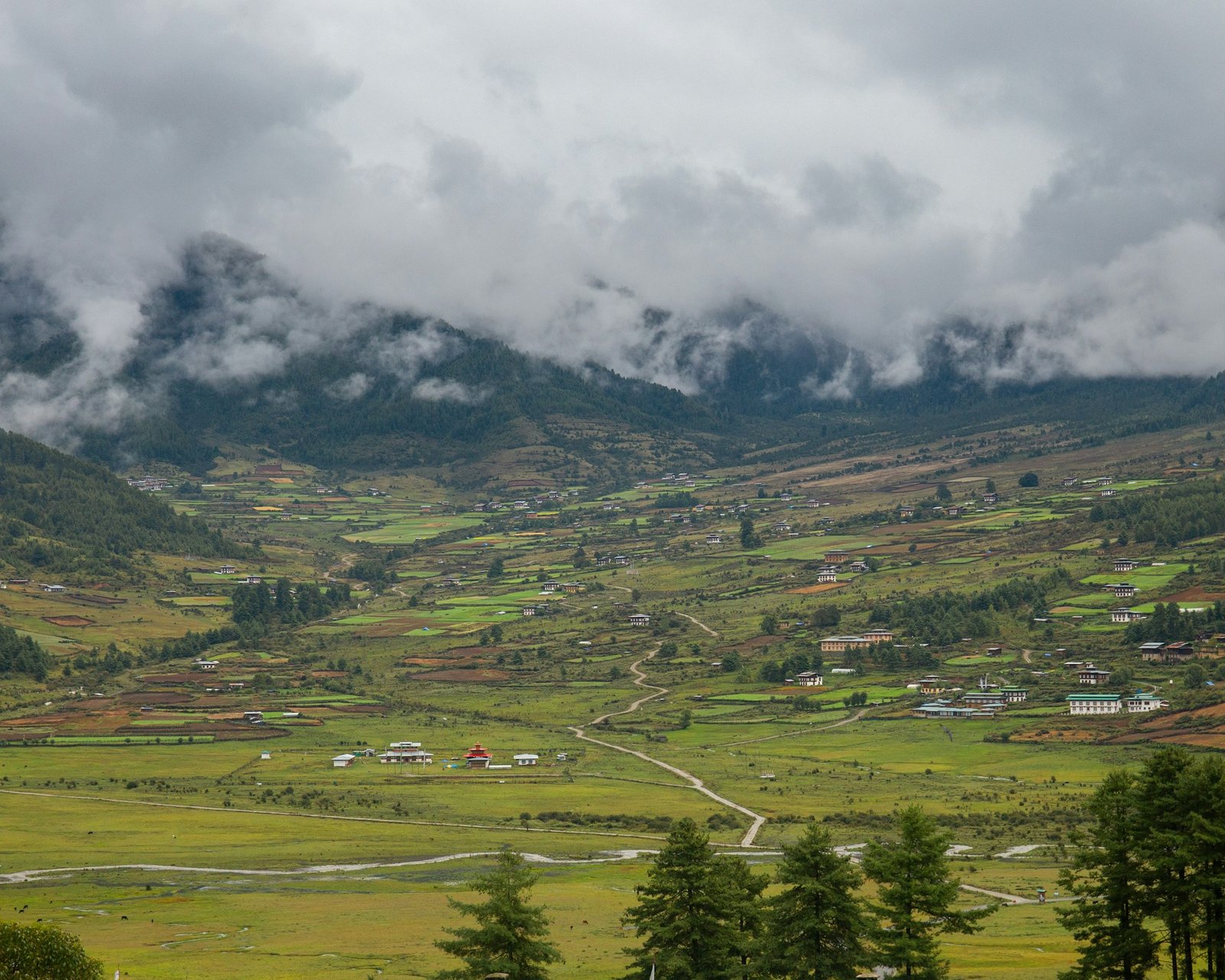
Phobjikha Valley
glacial valley and winter home of the black-necked crane.
05
Bumthang
Bhutan’s spiritual heartland, holding the country’s densest concentration of ancient temples.

Note: For full attraction-by-attraction, seasonal, and itinerary detail on each destination, see this guide’s dedicated Places to Visit in Bhutan content — this section is a brief navigational summary only.
Bhutan Tourism Attractions
TL;DR: Bhutan’s top attractions span iconic monasteries, historic dzongs, natural landscapes, and wildlife — Tiger’s Nest, Punakha Dzong, and Dochula Pass lead the list, with full detail covered throughout this guide’s dedicated attraction content.
Religious & Cultural
Natural & Scenic
Historic
Cultural Landmarks
Note: This is a summary list — for full site-by-site detail (history, hours, photography, visiting tips), see this guide’s dedicated Top Tourist Attractions in Bhutan and Places to Visit in Bhutan content.
Bhutan Festivals
Bhutan Festivals
Bhutan festivals are deeply connected with Buddhism and local traditions. Known for their vibrant atmosphere and traditional performances, these celebrations often bring local communities together at monasteries, dzongs, and public spaces. Travellers attending a festival can witness religious ceremonies, traditional dances, music, costumes, and cultural practices that have been preserved across generations.
Religious Festivals
Many of Bhutan's major festivals are religious festivals associated with Buddhist teachings and sacred traditions. Monks and local communities participate in rituals, prayers, masked dances, and other ceremonies that reflect important stories and spiritual beliefs.
Masked Dances
Masked dances are one of the most recognisable features of Bhutanese festivals. Performers wear elaborate masks and traditional costumes while presenting choreographed dances connected with Buddhist stories, religious teachings, and symbolic themes.
Traditional Music
Traditional music accompanies many Bhutanese festival performances and ceremonies. Religious instruments, folk music, and ceremonial sounds contribute to the distinctive atmosphere of these celebrations.
Traditional Clothing
Traditional clothing adds colour and cultural character to Bhutanese festivals. Locals often wear their traditional garments during important celebrations, religious ceremonies, and other formal occasions.
Festival Locations
Bhutan festivals are held at different monasteries, dzongs, temples, and towns throughout the country. This means travellers can experience festivals in different regions while also exploring the local architecture, landscapes, and communities surrounding them.
Best Time to Experience Bhutan Festivals
The best time to experience Bhutan festivals depends on the specific festival and location. Bhutan's festival calendar extends across different months, so travellers interested in attending a particular celebration should plan their itinerary around its scheduled dates.
Bhutan Tourism Packages
TL;DR: Bhutan packages are typically structured by trip length (3–10+ days) and bundle guide, transport, accommodation, and meals, with the Sustainable Development Fee charged separately as a fixed nightly rate — Indian nationals get a distinct, lower-cost pathway given visa-free entry and a reduced SDF.
General Bhutan Tourism Packages
Standard Bhutan packages follow the trip-length tiers covered throughout this guide — 3–4 days (Paro-Thimphu-Punakha), 5–7 days (adding Phobjikha or Trongsa), and 8–10+ days (extending to Bumthang or beyond). Nearly every package includes:
- Licensed guide and private driver
- Accommodation and meals
- Sustainable Development Fee (USD 100/night for most nationalities, reduced from USD 200 through 31 August 2027, plus a one-time USD 40 visa fee)
- 5% GST on service components, in effect since January 2026
- Sightseeing and entry to major sites
Packages vary mainly by accommodation tier (standard, boutique, luxury) and route (western circuit only vs. central Bhutan extension).
Bhutan Tourism Packages for Indians
Indian nationals travel under a distinctly simpler and more affordable structure:
- No visa required, and the USD 40 visa fee that applies to most other nationalities is waived — only an entry permit is needed, issued at the port of entry against a passport or Voter ID card
- Lower SDF — ₹1,200 per person per night, instead of the USD 100 rate
- Land entry option via Jaigaon–Phuentsholing, alongside flying into Paro
- Packages often start from Bagdogra/Siliguri (land route) or direct flights to Paro, and typically follow the same Paro-Thimphu-Punakha core itinerary
Note: Package inclusions, pricing, and permit rules change periodically — confirm current SDF rates, GST treatment, and permit requirements with a licensed operator before publishing or quoting prices.
Bhutan Tourism Packages from Cities and Regions
TL;DR: Bhutan is reached either by direct flight to Paro (from a handful of Indian cities) or overland via Phuentsholing (from Siliguri/Bagdogra) — package structure and route depend on the departure city.
Delhi
Direct flights to Paro on Drukair and Bhutan Airlines, one of the two most frequent Indian routes. Standard 4–7 day Paro-Thimphu-Punakha packages are common, given easy air access.
Kolkata
Direct flights to Paro on both airlines, plus the option of an overland route via Siliguri–Jaigaon–Phuentsholing for travelers combining Bhutan with North Bengal/Sikkim. Kolkata and Delhi are Bhutan’s two busiest Indian gateway cities by air.
Siliguri
The primary overland gateway hub for Bhutan — roughly 157 km / ~4 hours by road to Phuentsholing via Jaigaon. Packages from Siliguri typically enter by land (no flight needed) and are popular with travelers combining Bhutan with a Sikkim or Darjeeling trip.
Guwahati
Drukair operates limited service to Guwahati, though frequency is lower than the Delhi and Kolkata routes and worth confirming directly before booking around it. The overland alternative — via Samdrup Jongkhar in eastern Bhutan — is relevant for travelers approaching from India’s northeast, though this route is less developed than the western Phuentsholing corridor and carries more seasonal road risk.
Mumbai
There is no scheduled direct Mumbai–Paro service; travelers connect via Delhi or Kolkata. Given the longer overall journey, most Mumbai-origin packages run 6–8+ days to justify the travel time.
Bagdogra
Not a flight-to-Bhutan hub, but the nearest airport to the Phuentsholing border — roughly 165–170 km / 4.5–5 hours by road. Packages from Bagdogra are essentially the same as Siliguri-based overland packages, popular for their affordability and combination potential with Darjeeling/Sikkim.
Note: Flight routes, frequencies, and overland travel times change periodically — confirm current air connectivity (particularly for Guwahati) and border-crossing conditions with a licensed operator before publishing or quoting specific packages.
Bhutan Travel Cost & Budget
TL;DR: A Bhutan trip’s cost is built from the SDF, visa fee (if applicable), plus accommodation, food, transport, and guide costs — Indian travelers pay a fraction of what other nationalities pay, thanks to a separate, much lower SDF and no visa requirement.
Bhutan Travel Cost
Total cost = SDF + visa fee (non-Indian/Bangladeshi/Maldivian nationals) + 5% GST (from Jan 2026, on accommodation, guide fees, vehicle hire and meals — the SDF and visa fee are explicitly exempt) + accommodation, meals, transport, and guide fees. These can be arranged through a licensed operator, or, since the September 2022 reforms, applied for and paid directly online through Bhutan’s official visa portal.
Bhutan Tourism Cost from India
- No visa needed — a free entry permit instead
- SDF: ₹1,200/person/night
- 5-day trip: roughly ₹25,000–40,000 (budget) to ₹50,000–80,000 (mid-range), inclusive of SDF, stay, transport, and guide — indicative figures, confirm current pricing with an operator
Bhutan Tourism Cost from Another Country
- Visa fee: USD 40 (one-time)
- SDF: USD 100/person/night — a temporary 50% discount off the USD 200 base rate, in effect through 31 August 2027
- 5-day trip: USD 500 in SDF alone, plus visa, accommodation, transport, and guide
Bhutan Trip Cost
Scales directly with trip length, since SDF is charged per night — a 3-day trip costs proportionally less in SDF but carries a higher per-day rate overall, since fixed costs (guide, driver) don’t shrink with shorter stays.
Bhutan Tour Cost
Varies by accommodation tier (standard, boutique, luxury) and route (western circuit vs. central Bhutan extension) — luxury properties like Amankora or COMO Uma significantly raise total cost above the SDF/guide/transport baseline.
Daily Travel Cost
Beyond SDF, daily costs typically include accommodation, three meals, a private vehicle with driver, and a licensed guide — bundled into most tour packages rather than paid separately.
Accommodation Cost
Ranges from standard hotels to luxury lodges (Amankora, COMO Uma) — the single biggest cost variable after the SDF, since fee, transport, and guide costs stay largely fixed regardless of hotel tier.
Food Cost
Usually included in tour packages; standard restaurant dining (Bhutanese, Indian, continental) is moderate, while premium resort dining or specialty experiences (private dinners) add extra cost.
Transportation Cost
Private vehicle and driver, typically included in the package rate; flights into Paro are priced separately and vary seasonally, peaking around October–November.
Guide Cost
A licensed guide is mandatory for all foreign travel outside Paro/Thimphu and for dzong/sacred-site visits — typically bundled into the daily package rate rather than charged separately.
SDF Cost
- USD 100/night — most nationalities (a 50% discount off the USD 200 base rate, through 31 August 2027)
- ₹1,200/night — Indian nationals
- USD 15/night — first 15,000 Bangladeshi tourists per year, a concession in place since June 2024 (through 2027); the standard USD 100 rate applies beyond that quota
- Children 6–12: 50% rate; under 6: exempt
- Payable directly through Bhutan's official visa portal, or via your tour operator as part of a booking — not restricted to operator payment only
Bhutan Budget Planning
Budget travelers should prioritize off-season timing (June–August, December–January) for lower accommodation and flight costs, since the SDF itself is fixed regardless of season — savings come from everything around the SDF, not the fee itself.
Note: All figures reflect rates current as of the reduced-SDF period (through 31 Aug 2027) and the 5% GST introduced January 2026 — confirm current pricing, including any changes to the Bangladeshi SDF quota, with a licensed operator before publishing or quoting costs to travelers.
Bhutan Tourism Policy & Regulations
TL;DR: Bhutan’s tourism runs on a “High Value, Low Volume” policy enforced through the Sustainable Development Fee, mandatory licensed guides outside the main towns, and specific rules around photography, religious sites, trekking, and environmental conduct — all designed to limit impact rather than limit experience.
Bhutan Tourism Policy
Bhutan’s core tourism philosophy since 1974, deliberately prioritizing controlled, high-value visitor numbers over mass tourism, rooted in the country’s Gross National Happiness development framework.
Sustainable Tourism
Tourism revenue funds conservation, healthcare, education, and cultural preservation directly — as covered in this guide’s dedicated Experiential & Sustainable Tourism content, this isn’t a marketing label but the structural basis of how Bhutan’s entire tourism system is funded.
Sustainable Development Fee
USD 100/night (most nationalities, through 31 Aug 2027) or ₹1,200/night (Indian nationals), plus a one-time USD 40 visa fee for most non-regional nationalities. It can be applied for and paid directly through Bhutan’s official visa portal, or bundled into a booking through a licensed tour operator — a tour operator is not the only route.
Bhutan Tourism Rules
- Every foreign visitor pays the Sustainable Development Fee; booking a full tour operator is optional since September 2022, but most visitors still use one
- A licensed guide is mandatory for travel outside Paro/Thimphu and for dzong/sacred-site visits
- SDF applies per night of stay, non-negotiable
- 5% GST applies to in-country tourism services — accommodation, guide fees, vehicle hire, meals — from January 2026, though the SDF and visa fee remain exempt
Visitor Regulations
Valid passport (6+ months validity), visa (most nationalities) or permit (India/Bangladesh/Maldives), and travel insurance are required before entry. Independent, unguided travel is not permitted beyond Paro and Thimphu’s immediate area — a licensed guide and registered vehicle are required for onward travel, whether or not the trip was booked through a full tour operator.
Photography Rules
Photography is commonly restricted or prohibited inside temple and chapel interiors, even where exteriors are freely photographable. Some sacred sites (Tiger’s Nest’s inner chapels) require cameras and phones to be deposited before entry. Never photograph monks, festival participants, or locals without permission.
Temple Rules
Dress modestly (shoulders and knees covered), remove shoes and hats before entering chapel interiors, walk clockwise around chortens and prayer wheels, and follow guide instruction on site-specific customs.
Trekking Regulations
A licensed guide is mandatory for all overnight treks, with a registered operator handling logistics and permits. High-altitude treks running close to the Tibet border — Jomolhari, Laya-Gasa, and the Snowman Trek among them — require additional restricted-area clearance given their proximity to that international boundary; confirm current requirements with your operator well ahead of the trek.
Environmental Regulations
Bhutan maintains a constitutionally mandated forest cover requirement (minimum 60%, currently over 70%), is one of the world’s only carbon-negative countries, and enforces strict conservation rules in national parks and sanctuaries. Littering, plastic use restrictions, and protected-species regulations apply throughout.
Note: Policy details, fee rates, and specific regulations are subject to periodic government revision — confirm current rules directly with Bhutan’s Department of Tourism or a licensed operator before publishing.
Bhutan Visa, Passport & Permits
Bhutan Visa
A Bhutan visa is required for most international visitors travelling to Bhutan, while citizens of certain countries, including India, Bangladesh, and the Maldives, follow different entry procedures. Travellers should check the requirements applicable to their nationality before planning their trip.
Visa Application
The Bhutan visa application process generally involves submitting the required personal and travel information, providing supporting documents, and completing the applicable payment or processing requirements. Visitors should ensure that the information provided matches their passport and travel documents.
Visa Requirements
Bhutan visa requirements vary according to nationality and travel circumstances. Depending on the traveller, requirements may include a valid passport, travel information, accommodation details, applicable fees, and other supporting documents. Requirements can change, so travellers should verify the current rules before departure.
Passport Requirements
A passport for Bhutan travel should meet the country's entry requirements and remain valid for the required period. Travellers should also ensure that their passport has sufficient blank pages and that their personal details match all submitted travel documents.
Entry Permit
A Bhutan entry permit is used for eligible travellers entering Bhutan under the applicable entry arrangements. Indian nationals, for example, generally use an entry permit rather than a tourist visa. The permit and associated requirements may depend on the traveller's nationality and point of entry.
Route Permit
A Bhutan route permit may be required when travelling beyond permitted areas or entering certain restricted regions. Route permissions are particularly relevant for travellers visiting destinations where additional authorisation is required.
Trekking Permit
A Bhutan trekking permit may be necessary for treks that pass through regulated or restricted areas. Depending on the trekking route, additional arrangements, documentation, or an authorised trekking operator may be required.
Special Area Permits
Special area permits in Bhutan apply to certain restricted or environmentally and strategically sensitive areas. Travellers planning to visit such locations should obtain the necessary permissions before entering and follow the applicable local regulations.
Stay in Bhutan
TL;DR: Bhutan’s accommodation spans ultra-luxury lodges to homestays, each booked and priced separately rather than bundled into a single government daily rate. Below are three real named examples per category where verified information is available.
Hotels in Bhutan
The Willows Hotel (Thimphu)
modern, clean 3-star property, private parking, restaurant and bar.
Norkhil Boutique Hotel & Spa (Thimphu)
4-star, fitness center, business facilities, local art details.
Hotel Khamsum (Paro)
3-star, central location, strong guest reviews for hospitality and service.
Resorts in Bhutan
Meri Puensum Resort (Punakha)
hillside property overlooking the Puna Tsang Chu river.
RKPO Green Resort (Punakha)
valley-set resort in Punakha’s culture-rich setting.
Rema Resort (Paro)
garden setting, 24-hour reception, family-friendly.
Luxury Hotels in Bhutan
Amankora (Paro, Thimphu, Punakha, Gangtey, Bumthang)
five lodges, Bhutan’s most established ultra-luxury brand.
COMO Uma Paro / COMO Uma Punakha
panoramic rooms, world-class spa; rates vary substantially by season and should be confirmed directly.
Zhiwa Ling Heritage (Paro)
heritage architecture near Rinpung Dzong and Tiger’s Nest, an on-site archery range and temple among its cultural touches; rates run well into the premium tier and are worth checking directly given seasonal swings.
Budget Hotels in Bhutan
Ludrong Hotel (Thimphu)
affordable, clean, praised for hospitality.
Kisa Villa (Thimphu)
3-star, garden setting, family rooms available.
Dzi Pema (Paro)
garden, free private parking, strong breakfast reviews.
Boutique Hotels in Bhutan
Naksel Boutique Hotel & Spa (Paro)
hillside above Paro Valley on the edge of the national forest, sustainable materials, roughly a 30-minute drive from the airport.
Tshongdu Boutique (Paro)
3-star, central location near downtown and airport.
Raven's Nest Resort (Paro)
traditional design with modern amenities.
Homestays in Bhutan
Concentrated in Phobjikha Valley (Gangtey, Tangchey) and parts of Bumthang — specific named family properties vary and are typically arranged directly by your tour operator rather than independently bookable.
Farmstays in Bhutan
Similar to homestays, most established in Phobjikha and central Bhutan’s farming valleys — arranged through operators; no widely documented standalone farmstay brands to name with confidence.
Lodges in Bhutan
Trekking-route lodges support sections of the Druk Path and parts of Bumthang — generally basic, operator-arranged, without fixed brand names to cite reliably.
Camps in Bhutan
Nearly all multi-day treks (Druk Path, Jomolhari, Laya-Gasa, Snowman) are camping-based, with tents and full crew support arranged by your tour operator rather than a fixed camp brand.
Accommodation by Destination
Paro
Amankora, COMO Uma, Naksel, Zhiwa Ling Heritage
Thimphu
Norkhil Boutique Hotel & Spa, The Willows, Ludrong
Punakha
Amankora, Meri Puensum Resort, RKPO Green Resort
Phobjikha
Homestays, simple lodges
Bumthang
Amankora, small boutique lodges
Gasa
Very limited — basic guesthouses, trekking camps
Note: Hotel names sourced from current booking platforms and travel operator listings and cross-checked as genuine, currently operating properties. Rates fluctuate significantly by season and booking window and have been left out or generalized rather than quoted as fixed figures — confirm current availability, exact rates, and star ratings directly with the property or a licensed operator before publishing or booking.
Bhutan Tourism Best Time to Visit
TL;DR: October–November and March–April are Bhutan’s best seasons — clear skies, comfortable temperatures, and major festivals. Winter (Dec–Feb) suits quiet, clear-sky travel; monsoon (Jun–Aug) is the weakest window for sightseeing.
Bhutan Tourism Best Season
Autumn (Sep–Nov)
Clearest skies, best mountain views, Thimphu Tshechu (September in some years, October in others), peak trekking season
Spring (Mar–May)
Rhododendron bloom, Paro Tshechu, good trekking conditions
Winter (Dec–Feb)
Cold but dry, sharp mountain visibility, black-necked cranes in Phobjikha from late October through mid-February, lowest crowds
Monsoon (Jun–Aug)
Heavy rain, poor mountain visibility, lowest prices, not ideal for trekking or Tiger’s Nest
Bhutan Tourism Month
Bhutan in Jan
Snow, clear skies, quiet travel
Bhutan in February
Losar festival, quiet, clearing weather
Bhutan in March
Early bloom, warming, Paro Tshechu (some years)
Bhutan in April
Peak bloom, Paro Tshechu, trekking
Bhutan in May
Late trekking, building humidity
Bhutan in June
Monsoon begins, budget travel
Bhutan in July
Peak monsoon, lowest crowds
Bhutan in August
Monsoon easing late month
Bhutan in September
Thimphu Tshechu (some years), clearing skies
Bhutan in October
Best overall month — clear, dry, peak trekking, Thimphu Tshechu in some years, cranes arrive late month
Bhutan in November
Sharpest visibility, crane season underway
Bhutan in December
Clear, cold, crane season, quiet
Note: For full month-by-month and seasonal detail, see this guide’s dedicated Best Time to Visit Bhutan and Places to Visit in Bhutan by Month content. Festival dates shift yearly — confirm current dates before publishing.
Bhutan Weather & Climate
Bhutan Weather
Highly variable by altitude rather than by region alone — the same day can be warm in Punakha (1,300m) and near-freezing at Chele La (3,988m), just hours apart by road.
Bhutan Climate
Three broad zones: subtropical in the southern foothills, temperate across the central and western valleys, and alpine/tundra in the high northern Himalaya. Monsoon (June–September) affects the whole country, most heavily in the south.
Temperature
- Paro/Thimphu (~2,200–2,400m): −5°C to 26°C across the year
- Punakha (~1,300m): 6–10°C warmer than Paro/Thimphu
- Bumthang/Phobjikha (~2,600–3,000m): 3–5°C colder than Paro
- Phuentsholing (~300m): 14–32°C, subtropical year-round
- High passes (Dochula, Chele La): 8–12°C colder than valley floors
Rainfall
Concentrated June–September, with July the wettest month. Phuentsholing receives Bhutan's heaviest rainfall given its position at the foothills; November is among the driest months nationwide.
Snowfall
December–February, reliable on high passes and northern valleys — Paro and Thimphu see only occasional light snow rather than sustained cover.
Snowfall Places
Dochula Pass, Chele La (3,988m), Pele La (road-accessible), Phobjikha Valley and Bumthang (light valley snow), Gasa and Laya (deepest, sustained cover, trekking access only).
Weather by Month
Coldest: January. Warmest: July. Driest: November. Wettest: July. Clearest visibility: November and January. Full month-by-month tables are covered in this guide's dedicated Best Time to Visit Bhutan content.
Weather by Destination
Elevation determines everything — Punakha is Bhutan's mildest standard destination, Gasa its coldest, Phuentsholing its warmest, and Paro/Thimphu sit in the temperate middle.
Bhutan Itineraries
TL;DR: Bhutan itineraries scale from a 2-day Paro-Thimphu sprint to 2-week+ eastern Bhutan or trekking expeditions — most build outward from the same western core (Paro-Thimphu-Punakha).
Bhutan Itinerary
The general trip-planning framework — matching duration to destinations, covered in full in this guide’s dedicated Places to Visit in Bhutan by Trip Duration content.
Thimphu–Paro Itinerary
The minimum viable Bhutan trip — 2–3 days covering Tiger’s Nest, Rinpung Dzong, and Thimphu’s core sites (Tashichho Dzong, Buddha Dordenma).
Paro–Thimphu–Punakha
Bhutan’s classic circuit — 4–5 days, adding Punakha Dzong and the Suspension Bridge to the Paro-Thimphu foundation. The most commonly booked itinerary structure.
Western Bhutan Itinerary
5–7 days across Paro, Thimphu, Punakha, and Phobjikha Valley — the standard “complete highlights” route covering culture, heritage, and nature without pushing into central Bhutan.
Central Bhutan Itinerary
7–10 days extending east through Wangdue Phodrang, Trongsa, and Bumthang — Bhutan’s spiritual heartland, adding temple-dense valleys and deeper cultural immersion.
Eastern Bhutan Itinerary
10–14+ days pushing beyond Bumthang into Mongar, Trashigang, Trashiyangtse, and Lhuentse — Merak/Sakteng’s Brokpa culture, Khoma’s weaving, Chorten Kora’s twin festivals. Bhutan’s least-visited, most remote region.
Bhutan Trekking Itineraries
Route-dependent, from short treks (Bumdra, 2 days) to expedition-length routes (Snowman Trek, 24–30 days) — full detail in this guide’s dedicated Trekking Places in Bhutan content.
Family Itineraries
5–7 days, Paro-Thimphu-Punakha at a relaxed pace, prioritizing easy walks (Suspension Bridge), wildlife (Takin Preserve), and manageable hiking. For Tiger’s Nest specifically, a pony can be hired as far as the halfway cafeteria on the way up, but the steep upper section and the entire descent are on foot for everyone — plan the day around that rather than a fully horse-assisted climb.
Honeymoon Itineraries
6–10 days centered on Paro, Punakha, and Haa Valley or Phobjikha — luxury lodges (Amankora, COMO Uma), romantic scenery, and shared experiences, covered in full in this guide’s dedicated Honeymoon Places in Bhutan content.
Custom Itineraries
Built around specific priorities — festival timing, wildlife/birding, wellness, photography, or a particular region — tailored through a licensed operator rather than following a fixed template.
Note: For full day-by-day breakdowns at any specific length, see this guide’s dedicated Places to Visit in Bhutan by Trip Duration content. Confirm current road conditions, travel times, and permit requirements with your operator before finalizing any itinerary.
Things to Do in Bhutan
Adventure Activities
Bhutan's mountains and valleys provide opportunities for adventure activities such as trekking, hiking, rafting, and other outdoor experiences. These activities allow travellers to experience the country's landscapes more actively while exploring forests, rivers, mountain trails, and remote areas.
Cultural Activities
Cultural activities in Bhutan offer an opportunity to understand the country's traditions, architecture, festivals, arts, crafts, and way of life. Visiting traditional villages, exploring dzongs and monasteries, witnessing local customs, and learning about Bhutanese traditions can make a trip more meaningful.
Religious Experiences
Religion is deeply connected with Bhutanese culture, making religious experiences an important part of travelling through the country. Travellers can visit monasteries, temples, stupas, and dzongs, observe Buddhist practices, and experience the peaceful atmosphere of Bhutan's spiritual sites.
Nature Activities
Bhutan is known for its mountains, forests, valleys, rivers, and diverse landscapes. Nature activities can include exploring scenic areas, walking through forests, visiting viewpoints, observing wildlife, and spending time in the country's quieter natural surroundings.
Outdoor Activities
For travellers who enjoy spending time outside, outdoor activities in Bhutan can range from mountain walks and hiking to sightseeing in scenic valleys and exploring rural landscapes. The country's varied terrain provides opportunities for both relaxed and more active outdoor experiences.
Family Activities
Bhutan has several family activities suitable for travellers who want to experience the country at a comfortable pace. Families can visit cultural landmarks, explore nature, discover local traditions, enjoy scenic drives, and experience Bhutanese food and everyday life together.
Romantic Activities
Couples can enjoy a range of romantic activities in Bhutan, from peaceful walks and scenic viewpoints to private moments surrounded by mountains and nature. Exploring monasteries, enjoying local cuisine, watching sunsets, and spending time in Bhutan's tranquil surroundings can add a romantic element to the journey.
Photography
Bhutan provides excellent opportunities for photography, with its mountain scenery, monasteries, dzongs, traditional architecture, colourful prayer flags, villages, festivals, and local life. Both landscape and cultural photography can be rewarding throughout a Bhutan trip.
Shopping
Shopping in Bhutan is a way to take home a piece of its traditional culture. Travellers can explore local markets and shops for handicrafts, textiles, traditional products, souvenirs, and other Bhutanese items while supporting local artisans and businesses.
Food Experiences
Trying local cuisine is an important part of the Bhutan travel experience. Food experiences in Bhutan allow visitors to discover traditional dishes, local ingredients, Bhutanese flavours, and everyday eating habits. Travellers can explore local restaurants and markets to experience the country's distinctive food culture.
Wellness Experiences
Bhutan's peaceful environment makes it suitable for wellness experiences focused on relaxation and slowing down. Travellers can enjoy quiet surroundings, nature, traditional wellness practices, meditation, and other experiences designed to provide a calmer and more restorative travel experience.
Bhutan Culture & Heritage
Bhutanese Culture
Bhutanese culture is shaped by Buddhist traditions, local customs, traditional arts, and the country's distinctive way of life. Visitors can experience this culture through monasteries, festivals, traditional villages, food, clothing, architecture, and everyday interactions with local communities.
Bhutanese Traditions
Bhutanese traditions continue to play an important role in everyday life. Traditional ceremonies, religious practices, community celebrations, respect for elders, and distinctive cultural customs reflect the country's long-standing social and spiritual values.
Bhutanese Festivals
Bhutanese festivals are colourful cultural and religious celebrations, often featuring masked dances, music, traditional costumes, rituals, and community gatherings. Festivals provide visitors with an opportunity to experience Bhutanese culture in a lively and authentic setting.
Bhutanese Architecture
Bhutanese architecture is easily recognised by its distinctive traditional design, detailed woodwork, painted decorations, and strong connection with Buddhist culture. Dzongs, monasteries, temples, traditional houses, and other historic structures are important examples of Bhutan's architectural heritage.
Bhutanese Art
Bhutanese art is strongly influenced by Buddhist beliefs and traditional craftsmanship. Paintings, sculptures, woodwork, textiles, and religious artwork often feature symbolic designs and carefully preserved artistic techniques passed through generations.
Bhutanese Music
Bhutanese music forms an important part of the country's cultural traditions. Traditional instruments, religious music, folk songs, and music performed during festivals help preserve Bhutan's cultural identity and connect different generations with its heritage.
Bhutanese Dance
Bhutanese dance is closely associated with religious ceremonies, festivals, and cultural celebrations. Traditional masked dances and folk performances often tell stories or represent religious and cultural themes, making dance an important part of Bhutanese heritage.
Bhutanese Clothing
Bhutanese clothing is a distinctive part of the country's cultural identity. Traditional garments are commonly worn during formal occasions, religious events, festivals, and other important gatherings, reflecting Bhutan's commitment to preserving its cultural traditions.
Bhutanese Customs
Bhutanese customs influence social behaviour, religious practices, celebrations, hospitality, and everyday life. Visitors are expected to respect local traditions, particularly when visiting monasteries, temples, dzongs, and other culturally significant places.
Bhutanese Religion
Bhutanese religion is deeply connected with Tibetan Buddhism, which has influenced the country's traditions, architecture, festivals, art, and daily life. Monasteries, temples, prayer flags, stupas, and religious ceremonies are visible parts of Bhutan's spiritual landscape.
Bhutanese History
Bhutanese history reflects the development of its Buddhist traditions, political institutions, monarchy, communities, and distinctive national identity. Historical sites, monasteries, dzongs, and cultural traditions provide insight into the country's past and its continued cultural evolution.
Bhutanese Heritage
Bhutanese heritage brings together the country's tangible and intangible cultural traditions, including historic architecture, religious practices, festivals, art, music, dance, clothing, customs, and traditional knowledge. Preserving this heritage remains an important part of maintaining Bhutan's unique cultural identity.
Bhutan Travel by Trip Duration
Family Trips
Bhutan family trips combine sightseeing, nature, culture, and relaxed travel at a comfortable pace. Families can explore monasteries, dzongs, valleys, traditional villages, and scenic landscapes while choosing an itinerary that works well for different age groups.
Honeymoon
A Bhutan honeymoon offers couples a peaceful setting surrounded by mountains, valleys, monasteries, and nature. A slower itinerary with scenic stays, cultural experiences, private sightseeing, and quiet moments can make Bhutan a memorable honeymoon destination.
Solo Travel
Solo travel in Bhutan can appeal to travellers looking for a quieter and more immersive experience. Exploring cultural sites, walking through towns, experiencing local food, and spending time in nature can provide opportunities to experience Bhutan at your own pace.
Couple Trips
Bhutan couple trips are ideal for travellers who want to combine sightseeing with peaceful experiences. Couples can explore monasteries and valleys, enjoy scenic drives, try local cuisine, and spend time together in Bhutan's calm mountain surroundings.
Group Travel
Bhutan group travel works well for families, friends, and organized groups travelling together. Shared transportation, accommodation, sightseeing, and a coordinated itinerary can make it easier to manage the logistics of travelling as a larger group.
Senior Travel
Bhutan travel for seniors can be planned around comfortable transportation, suitable accommodation, shorter sightseeing days, and a relaxed pace. Cultural attractions, scenic viewpoints, monasteries, and valley destinations can be included without making the itinerary unnecessarily demanding.
Photography Trips
Bhutan photography trips provide opportunities to capture Himalayan landscapes, monasteries, dzongs, traditional architecture, prayer flags, festivals, villages, wildlife, and local life. Travelling with enough time for different locations and lighting conditions can make the experience more rewarding for photographers.
Wildlife Trips
Bhutan wildlife trips allow travellers to explore the country's forests, mountains, valleys, and protected areas. The country's varied ecosystems support diverse wildlife, making nature exploration and wildlife observation an interesting part of a Bhutan itinerary.
Adventure Trips
Bhutan adventure trips are suited to travellers who want more active experiences. Trekking, hiking, mountain exploration, rafting, and other outdoor activities can be combined with sightseeing to create a more adventurous journey.
Spiritual Trips
A spiritual trip to Bhutan offers opportunities to visit monasteries, temples, dzongs, stupas, and other important Buddhist sites. Meditation, quiet time in nature, and exposure to Bhutan's religious traditions can make the journey particularly meaningful for spiritually inclined travellers.
Cultural Trips
Bhutan cultural trips focus on experiencing the country's traditions, architecture, festivals, food, arts, clothing, music, dance, and everyday way of life. Visiting historic sites and interacting with local communities can provide a deeper understanding of Bhutanese culture.
Luxury Travel
Luxury travel in Bhutan can combine high-quality accommodation, private transportation, personalized itineraries, fine dining, exclusive experiences, and comfortable sightseeing. It is suitable for travellers who want to explore Bhutan while prioritizing privacy, comfort, and convenience.
Bhutan Travel by Trip Duration
TL;DR: Trip length directly caps destinations — 2 days covers only Paro/Thimphu, while 14+ days opens central and eastern Bhutan or serious trekking. Full day-by-day breakdowns are covered in this guide’s dedicated Places to Visit in Bhutan by Trip Duration content.
2 Days in Bhutan
Paro (Tiger’s Nest) and Thimphu essentials only — very fast, no Punakha.
3 Days in Bhutan
Paro and Thimphu, with the third day left for a fuller look at the capital or a half-day push to Dochula Pass and back — Punakha itself adds a round trip too long to fit at this length.
4 Days in Bhutan
The classic circuit at a comfortable pace — Paro, Thimphu, Punakha.
5 Days in Bhutan
Adds Phobjikha Valley — nature and (in season) crane viewing.
6 Days in Bhutan
A relaxed western circuit, or a first push toward Trongsa — a genuine choice point between depth and reach.
7 Days in Bhutan
Western circuit plus a compressed Bumthang visit (Jambay and Kurjey Lhakhang).
8 Days in Bhutan
A full, unhurried day in Bumthang’s complete temple cluster.
10 Days in Bhutan
Full western and central Bhutan circuit at a relaxed pace, plus one interest-based addition (Haa Valley, a short trek, or a homestay night).
14 Days in Bhutan
Full country coverage — western and central Bhutan plus either a genuine trekking commitment (Jomolhari, Laya-Gasa) or a full eastern Bhutan extension (Merak/Sakteng, Khoma, Chorten Kora).
Long Bhutan Trips
Beyond 2 weeks, trips typically combine multiple deep interests — extended trekking (Snowman Trek), a Nepal or Sikkim extension, or thorough eastern Bhutan exploration — rather than adding more western-circuit time.
Note: For full day-by-day itinerary detail, destination lists, and realistic pacing at any of these lengths, see this guide’s dedicated Places to Visit in Bhutan by Trip Duration content. Confirm current road travel times before finalizing any duration-based plan.
Bhutan Transportation
TL;DR: Bhutan is reached by flight into Paro (Bhutan’s only international airport) or overland via one of four official road crossings — all internal travel runs through a licensed guide and private vehicle, since independent driving isn’t part of Bhutan’s tourism model.
How to Reach Bhutan
By international flight into Paro, or overland from India via Samtse or Phuentsholing (both from West Bengal), Gelephu (from Assam), or Samdrup Jongkhar (from Assam’s northeast).
Flights to Bhutan
Operated by Drukair and Bhutan Airlines, connecting Paro to Delhi, Kolkata, Bagdogra, Guwahati, Bangkok, Singapore, Kathmandu, Dhaka, Dubai, and seasonally Gaya, among other hubs. There is no scheduled Mumbai–Paro service — travelers from western India connect via Delhi or Kolkata.
Airports in Bhutan
Paro International Airport — Bhutan’s only international airport, and one of the world’s most technically demanding to land at given surrounding mountain terrain; flights operate under visual flight rules in daylight only.
Border Entry Points
Four official road crossings: Phuentsholing (Chhukha, the busiest overland gateway, adjoining Jaigaon, India), Samtse (also in the west), Gelephu (Sarpang, southern entry from Assam), and Samdrup Jongkhar (eastern entry from Assam).
Road Travel
All internal Bhutan travel is by private vehicle with a licensed driver, arranged through your tour operator — mountain roads mean travel times run considerably longer than map distance suggests.
Bus
A limited public bus network exists for domestic Bhutanese travel and select regional routes (for example, coach services from Kolkata to Phuentsholing), but isn’t part of the standard foreign-visitor tourism structure.
Taxi
Available within towns (Thimphu, Paro, Phuentsholing) for short local trips — a practical supplement to your guide’s vehicle for independent short journeys.
Car Rental
Self-drive car rental is not part of Bhutan’s standard tourism model for foreign visitors — all travel is guide-and-driver based.
Private Driver
Standard for all foreign tourism — a private vehicle and driver are included in nearly every tour package, arranged by your licensed operator.
Public Transport
Limited and primarily used by Bhutanese residents rather than tourists — not a practical option for standard visitor itineraries given the guide-and-vehicle requirement.
Domestic Flights
Operated by Drukair and Bhutan Airlines between Paro, Bumthang (Bathpalathang/Jakar), Gelephu, and Yonphula (near Trashigang) — useful for skipping long road drives to central or eastern Bhutan, though subject to seasonal and weather-dependent operation, particularly at Yonphula.
Getting Around Bhutan
Entirely structured around your guide and private vehicle — central Thimphu and Paro town centers are walkable, but travel between destinations always uses your arranged transport rather than independent options.
Note: Flight routes, bus schedules, and domestic air service change seasonally — confirm current schedules and availability with your operator or directly with Drukair/Bhutan Airlines before publishing or booking.
Bhutan Airports & Border Gates
TL;DR: Paro remains Bhutan’s primary international airport; Bumthang (Bathpalathang) and Yonphula are domestic-only, while Gelephu — already a domestic airport — has reportedly begun handling some international flights ahead of a new Gelephu International Airport under construction nearby (main build starts April 2026, inauguration set for December 2029). Land entry runs through four official crossings: Phuentsholing, Samtse, Gelephu, and Samdrup Jongkhar.
Paro International Airport
Bhutan’s primary international airport, and one of the world’s most technically demanding to land at given surrounding mountain terrain. Served by Drukair and Bhutan Airlines from Delhi, Kolkata, Bangkok, Kathmandu, and other regional hubs; flights operate under visual flight rules in daylight only. Confirm the current route list directly with the airlines before publishing, as service changes seasonally.
Gelephu Airport
Currently Bhutan’s second airport (Sarpang District, southern Bhutan), historically operated by Drukair with limited service. Some more recent reporting indicates the existing airport began handling international flights from December 2025, ahead of the much larger purpose-built terminal — this should be confirmed directly with Drukair or the Department of Civil Aviation before treating Gelephu as domestic-only in any current publication. A separate, much larger Gelephu International Airport is under construction as part of the Gelephu Mindfulness City project, designed by Bjarke Ingels Group: groundbreaking took place on 8 July 2025, main runway and terminal construction begins April 2026, with testing and commissioning from March 2029 and inauguration targeted for 17 December 2029. It’s designed initially for Airbus A321/Boeing 737-class aircraft on a 3,000-metre runway, with capacity for roughly 1.3 million passengers a year, expandable well beyond that over time.
Bumthang Airport
Officially Bathpalathang Airport, Bhutan’s central domestic airport, operational since 2011, connecting to Paro via Drukair/Bhutan Airlines.
Yonphula Airport
Bhutan’s easternmost domestic airport, near Trashigang, serving eastern Bhutan — operations have historically been intermittent given funding and weather constraints; no radar or night/bad-weather landing facilities. Confirm current operational status before including it in a firm itinerary.
Phuentsholing Border
Bhutan’s busiest overland crossing, adjoining Jaigaon, West Bengal — the primary entry point for Indian nationals and overland travelers from northern India.
Samtse Border
A second, quieter western crossing from West Bengal — part of Bhutan’s four official road entry points, alongside Phuentsholing.
Samdrup Jongkhar Border
Eastern Bhutan’s overland gateway from Assam, India — a secondary, less-used crossing relevant for travelers approaching from India’s northeast.
Gelephu Border
Southern entry point from Assam, India, near the Gelephu airport and the broader Gelephu Mindfulness City development zone.
Other Entry Points
Foreign tourist access runs through Paro (air) and four official overland gateways — Phuentsholing, Samtse, Gelephu, and Samdrup Jongkhar. No other border crossings are open to standard visitor entry.
Note: Bhutan’s airport and border infrastructure is actively expanding — notably Gelephu International Airport, and possibly the international status of the existing Gelephu airport ahead of that — so confirm current operational status, flight schedules, and entry procedures with Bhutan’s Department of Civil Aviation, Drukair/Bhutan Airlines, or a licensed operator before publishing.
Bhutan Food & Cuisine
Bhutanese Food
Bhutanese food is an important part of the country's culture and everyday life. Rice is a staple, while chillies are used as a major ingredient rather than simply as a spice. Cheese, vegetables, meat, buckwheat, and corn are also common components of Bhutanese meals.
Bhutanese Cuisine
Bhutanese cuisine has been influenced by neighbouring Himalayan and Asian food traditions, particularly Tibet, India, and China, while retaining its own distinctive flavours. Spicy stews, rice-based meals, dumplings, noodles, and cheese-based dishes are widely associated with Bhutanese cooking.
Traditional Bhutanese Food
Traditional Bhutanese food commonly combines rice with vegetable, cheese, or meat dishes. Ema datshi, made with chillies and cheese, is widely recognised as Bhutan's national dish. Other traditional foods include kewa datshi, jasha maru, phaksha paa, shakam paa, jaju, and momos.
Bhutanese Dishes
Some popular Bhutanese dishes to try include:
- Ema datshi – a spicy chilli-and-cheese dish traditionally eaten with rice.
- Kewa datshi – potatoes cooked with cheese and chillies.
- Jasha maru – a spicy chicken dish prepared with ingredients including chilli, onion, tomato, and coriander.
- Phaksha paa – a pork dish cooked with chillies and other ingredients.
- Shakam paa – a traditional dried-beef and chilli preparation.
- Momos – stuffed dumplings commonly found in Bhutanese towns and restaurants.
Bhutanese Drinks
Bhutanese drinks include traditional teas and locally produced alcoholic beverages. Suja, or butter tea, and ngaja, a sweet milk tea, are traditional beverages. Bhutan also has traditional alcoholic drinks such as ara, which can be made by fermenting or distilling grains.
Vegetarian Food
Vegetarian travellers can find plenty of options in Bhutanese cuisine, particularly dishes based on vegetables, cheese, rice, chillies, lentils, and potatoes. Ema datshi and kewa datshi are examples of well-known vegetarian dishes, although travellers should confirm ingredients when ordering because recipes can vary.
Restaurants
Restaurants in Bhutan range from local eateries serving traditional meals to cafés, hotel restaurants, fine-dining establishments, and restaurants offering international cuisines. Thimphu and Paro have particularly varied dining options, while the range can be more limited in rural areas.
For travellers looking for officially listed dining options, Bhutan's Department of Tourism Tourism Services Portal provides a restaurant directory alongside other tourism service providers.
Food Experiences
Food experiences in Bhutan can go beyond eating at restaurants. Travellers can try traditional meals, visit local eateries, experience Bhutanese food in homestays, and explore regional specialities. Food-focused experiences can provide a closer look at local ingredients, cooking traditions, and Bhutanese hospitality.
Food by Destination
Bhutanese food varies by destination and region, with local ingredients and culinary traditions changing across the country. Western Bhutan is strongly associated with rice, spicy stews, cheese, and dishes such as ema datshi, while Bumthang is known for buckwheat-based foods. Eastern areas have their own corn-based dishes and specialities, while southern Bhutanese cuisine shows stronger Indian and Nepali influences.
Bhutan History
History of Bhutan
The history of Bhutan is closely connected with Buddhism, regional kingdoms, religious leaders, and the development of a distinct Bhutanese identity. Over time, different communities and religious institutions shaped the country's political and cultural landscape, eventually leading to the establishment of a unified Bhutanese state.
Ancient Bhutan
Ancient Bhutan has a long history influenced by Himalayan communities and the spread of Buddhism. Early settlements, religious traditions, and important Buddhist figures contributed to the cultural foundations that can still be seen in Bhutan's monasteries, temples, sacred sites, and traditional practices.
Medieval Bhutan
Medieval Bhutan was shaped by competing regional powers, religious schools, and influential Buddhist leaders. A major turning point came with the arrival of Zhabdrung Ngawang Namgyal in the 17th century, whose political and religious leadership played a central role in unifying much of Bhutan and establishing the dzong system.
Modern Bhutan
Modern Bhutan developed through major political and social changes, including the establishment of the hereditary monarchy in 1907 and the gradual transition toward democratic constitutional government. Bhutan became a constitutional monarchy in 2008, marking an important stage in its modern political history.
Bhutanese Monarchy
The Bhutanese monarchy was established in 1907, when Ugyen Wangchuck became the first Druk Gyalpo, or King of Bhutan. The monarchy has played a central role in Bhutan's political development, with successive kings overseeing significant changes in governance, development, and the country's transition to constitutional democracy.
Historical Events
Important historical events in Bhutan include the spread of Buddhism, the emergence of Zhabdrung Ngawang Namgyal, the unification of the country, the establishment of the Wangchuck dynasty in 1907, and the introduction of constitutional democracy in the 21st century. These events form key chapters in understanding Bhutan's national development.
Historical Places
Historical places in Bhutan include ancient monasteries, temples, dzongs, fortresses, and sacred sites associated with the country's religious and political history. These places provide a tangible connection to Bhutan's past and help visitors understand how Buddhism, governance, and traditional architecture developed together.
Historical Figures
Several historical figures in Bhutan played important roles in shaping the country's history. Zhabdrung Ngawang Namgyal is particularly significant for his role in unifying Bhutan in the 17th century, while the kings of the Wangchuck dynasty have guided the country through its modern political development.
Bhutan Geography
Geography of Bhutan
The geography of Bhutan is dominated by the Himalayas, with landscapes changing from subtropical plains and foothills in the south to high mountain terrain in the north. This variation in altitude creates different environments, climates, vegetation, and wildlife habitats across the country.
Location
Bhutan is located in the eastern Himalayas, between India and China. Its geographical position gives the country a distinctive Himalayan landscape and places it within an important ecological region connecting South Asian and Himalayan environments.
Borders
Bhutan shares its northern border with China and its western, southern, and eastern borders with India. These neighbouring countries have strongly influenced Bhutan's geography, trade routes, cultural connections, and regional development.
Area
Bhutan covers an area of approximately 38,394 square kilometres. Despite its relatively small size, the country's significant variation in elevation creates a wide range of geographical and ecological conditions.
Elevation
Elevation in Bhutan varies dramatically, from low-lying southern areas to some of the highest mountain regions in the Himalayas. This sharp change in altitude influences temperature, vegetation, agriculture, settlement patterns, and accessibility throughout the country.
Mountain Ranges
The mountain ranges of Bhutan form the country's dominant geographical feature. The northern region contains high Himalayan peaks, while the central and southern areas feature lower mountain ranges and hills. These mountains also influence Bhutan's rivers, climate, settlements, and trekking routes.
Valleys
Bhutan's valleys provide some of the country's most important areas for settlements, agriculture, transportation, and tourism. Valleys such as Paro, Thimphu, Punakha, and Phobjikha are surrounded by mountains and have distinct landscapes, climates, and cultural characteristics.
Rivers
The rivers of Bhutan originate largely in the Himalayan mountains and flow southward toward India. Major river systems include the Drangme Chhu, Punatsang Chhu, Wang Chhu, and Amo Chhu. These rivers are important for ecosystems, agriculture, settlements, and hydropower.
Climate Zones
Bhutan has several climate zones because of its considerable variation in altitude. The south generally experiences a warmer and more humid subtropical climate, while central Bhutan has cooler conditions and the northern highlands experience much colder alpine environments.
Ecosystems
Bhutan contains a remarkable variety of ecosystems, ranging from subtropical forests and river valleys to temperate forests and alpine landscapes. The country's varied elevation and relatively extensive forest cover support diverse plant and animal species.
Administrative Geography
Bhutan's administrative geography is organised into 20 dzongkhags, or districts. These districts are further divided into administrative units known as gewogs, providing a framework for local governance and administration across the country's mountainous and valley regions.
Bhutan National Symbols & Identity
Bhutan Flag
The Bhutan flag is one of the country's most recognisable national symbols. It features a white dragon across yellow and orange sections, representing important aspects of Bhutanese identity, spirituality, and national values.
Bhutan National Animal
The Bhutan national animal is the takin, a distinctive Himalayan mammal associated with Bhutan's natural environment. The animal has a special place in Bhutanese culture and is closely connected with local legends and traditions.
Bhutan National Bird
The Bhutan national bird is the raven, which also has strong cultural and historical significance. It is associated with Bhutan's monarchy and is represented in traditional symbolism connected with the country's history.
Bhutan National Flower
The Bhutan national flower is the blue poppy, a delicate Himalayan flower that grows in the country's high-altitude regions. Its association with Bhutan's mountain environment makes it an important symbol of the country's natural heritage.
Bhutan National Tree
The Bhutan national tree is the Himalayan cypress, a tree commonly found across the country's mountainous landscape. It is valued for its cultural significance and connection with Bhutan's natural environment.
Bhutan National Sport
Archery is the national sport of Bhutan and is an important part of Bhutanese culture. Traditional archery competitions are often social occasions where people gather, celebrate, and enjoy music and festivities alongside the competition.
Bhutanese Symbols
Bhutanese symbols reflect the country's Buddhist heritage, monarchy, traditions, and connection with nature. The dragon, prayer flags, traditional motifs, religious imagery, and other cultural symbols can be seen throughout Bhutan's architecture, clothing, ceremonies, and everyday life.
National Heritage
Bhutan's national heritage includes its historic monuments, monasteries, dzongs, traditional architecture, religious practices, festivals, arts, crafts, and cultural traditions. Together, these elements preserve the country's distinctive identity and connect modern Bhutan with its historical and spiritual roots.
Bhutan Tourism Services
Bhutan Tour Packages
Bhutan tour packages combine key travel arrangements such as accommodation, transportation, sightseeing, and itinerary planning into one trip. EasoTrip offers Bhutan travel planning for travellers who prefer a structured itinerary rather than arranging every service separately.
Bhutan Travel Agency
A Bhutan travel agency can help travellers coordinate different parts of their journey, including hotels, transportation, sightseeing, permits, and itinerary planning. Working with an experienced agency such as EasoTrip can make it easier to manage these arrangements from one place.
Bhutan Tour Operator
A Bhutan tour operator handles the practical side of a trip, including transportation, accommodation, sightseeing schedules, guides, and other ground arrangements. EasoTrip can assist travellers with coordinating these services according to their itinerary and travel requirements.
Bhutan Guide
A Bhutan guide can provide valuable insight into local history, Buddhist traditions, culture, architecture, and important attractions. A knowledgeable guide can also make visits to monasteries, dzongs, villages, and cultural sites more informative.
Bhutan Driver
A Bhutan driver plays an important role in road-based travel, particularly when exploring multiple destinations across the country's mountainous terrain. EasoTrip can help arrange transportation and driver services as part of a planned Bhutan itinerary.
Bhutan Car Rental
Bhutan car rental services provide private transportation for travellers who want greater flexibility while exploring the country. Depending on the itinerary, vehicle arrangements can be combined with a local driver to make intercity and sightseeing travel more convenient.
Bhutan Hotels
Choosing suitable Bhutan hotels is an important part of trip planning, particularly when travelling across multiple destinations. Accommodation can be selected according to location, comfort level, budget, and itinerary, with EasoTrip helping travellers coordinate hotel arrangements as part of their Bhutan trip.
Bhutan Trekking Services
Bhutan trekking services can help travellers arrange trekking routes, transportation, guides, permits, accommodation, and other necessary logistics. These services are particularly useful for travellers planning multi-day treks or journeys through remote Himalayan areas.
Bhutan Airport Transfers
Reliable Bhutan airport transfers provide convenient transportation between Paro International Airport and the traveller's hotel or onward destination. Pre-arranged transfers can make arrival and departure smoother, especially when travelling with luggage or on a fixed itinerary.
Customized Bhutan Tours
Customized Bhutan tours allow travellers to build an itinerary around their preferred destinations, travel duration, activities, accommodation, and budget. EasoTrip can help create a more personalized Bhutan travel plan for travellers who want flexibility instead of following a fixed tour package.
Bhutan Travel by Interest
Family Trips
Bhutan family trips can combine cultural attractions, nature, sightseeing, and comfortable travel. Families can explore monasteries, dzongs, valleys, villages, and scenic viewpoints while keeping the itinerary relaxed enough for different age groups.
Honeymoon
A Bhutan honeymoon offers couples a peaceful setting surrounded by mountains, forests, valleys, and traditional architecture. A thoughtfully planned itinerary can combine comfortable stays, scenic experiences, cultural sightseeing, and private time together.
Solo Travel
Solo travel in Bhutan can be a rewarding way to experience the country's culture and landscapes at a more personal pace. Travellers can explore towns, monasteries, local markets, nature, and traditional sites while building an itinerary around their own interests.
Couple Trips
Bhutan couple trips are ideal for travellers who want a combination of sightseeing, nature, culture, and relaxation. Couples can explore scenic valleys, visit monasteries, enjoy local food, and spend time together in Bhutan's peaceful surroundings.
Group Travel
Bhutan group travel is suitable for friends, families, colleagues, and organized groups. Shared transportation, accommodation, sightseeing, and coordinated activities can make the practical side of travelling with several people easier to manage.
Senior Travel
Bhutan senior travel can be planned with an emphasis on comfort, suitable accommodation, shorter travel days, and a relaxed sightseeing schedule. Cultural attractions, scenic locations, monasteries, and valley destinations can be included without making the itinerary unnecessarily demanding.
Photography Trips
Bhutan photography trips offer opportunities to capture Himalayan mountains, monasteries, dzongs, traditional architecture, prayer flags, festivals, villages, wildlife, and local life. Allowing sufficient time at each location can help photographers capture both landscapes and cultural moments.
Wildlife Trips
Bhutan wildlife trips focus on the country's forests, mountains, valleys, and protected natural areas. Bhutan's varied ecosystems support a wide range of wildlife, making nature exploration and wildlife observation an interesting addition to a travel itinerary.
Adventure Trips
Bhutan adventure trips are designed for travellers who want an active holiday. Trekking, hiking, cycling, mountain biking, rafting, and other outdoor experiences can be combined with sightseeing and cultural exploration.
Spiritual Trips
A spiritual trip to Bhutan provides opportunities to visit monasteries, temples, dzongs, stupas, and other important Buddhist sites. Travellers can also experience meditation, quiet surroundings, and Bhutan's deeply rooted religious traditions.
Cultural Trips
Bhutan cultural trips focus on the country's traditions, festivals, architecture, food, arts, clothing, music, dance, and local way of life. Exploring historic sites and experiencing local customs can provide a deeper understanding of Bhutanese culture.
Luxury Travel
Luxury travel in Bhutan combines comfortable accommodation, private transportation, personalized itineraries, quality dining, and carefully selected experiences. It is suitable for travellers who want to explore Bhutan while giving greater importance to privacy, comfort, and convenience.
Adventure Tourism in Bhutan
Trekking in Bhutan
Trekking in Bhutan is one of the best ways to experience the country's Himalayan landscapes. Trek routes pass through forests, valleys, mountain passes, villages, and remote areas, with options ranging from shorter walks to challenging multi-day treks.
Hiking
Hiking in Bhutan offers a flexible way to explore mountain scenery without committing to a long trekking expedition. Day hikes can take travellers through forests, valleys, villages, and viewpoints while providing opportunities to experience Bhutan's natural surroundings at a slower pace.
Camping
Camping in Bhutan allows travellers to spend more time in nature and experience the country's mountains, forests, valleys, and open landscapes. Camping is particularly relevant to multi-day trekking and adventure itineraries where accommodation may not be available along the route.
Mountain Biking
Mountain biking in Bhutan combines challenging terrain with scenic Himalayan landscapes. Mountain roads, trails, valleys, and rural areas can provide an exciting experience for cyclists looking to explore Bhutan beyond conventional sightseeing.
Cycling
Cycling in Bhutan is another way to experience the country's roads, villages, valleys, and mountain scenery. Depending on the route, cycling can range from relatively relaxed rides to demanding mountain journeys.
Rafting
Rafting in Bhutan takes advantage of the country's fast-flowing Himalayan rivers. River conditions and difficulty vary by location and season, making it important to choose an appropriate route and use experienced operators.
Kayaking
Kayaking in Bhutan offers a more individual way to experience the country's rivers and mountain surroundings. Like rafting, kayaking depends heavily on river conditions, experience level, and seasonal water flow.
Rock Climbing
Rock climbing in Bhutan provides an opportunity for adventure enthusiasts to explore natural rock formations while enjoying views of the surrounding Himalayan landscape. Climbers should use suitable equipment and follow local safety and access requirements.
Fishing
Fishing in Bhutan can be a peaceful outdoor experience for travellers interested in combining nature with recreation. Fishing opportunities depend on local regulations, permitted areas, seasons, and the type of fishing being undertaken.
Archery
Archery in Bhutan is more than an adventure activity—it is the country's national sport and an important part of Bhutanese culture. Visitors may have opportunities to see traditional archery competitions and experience the social and cultural atmosphere surrounding the sport.
Snow Activities
Snow activities in Bhutan are possible in high-altitude areas during suitable winter conditions. Snow-covered mountain landscapes can provide opportunities for experiencing Bhutan's winter environment, although activities depend on location, weather, and accessibility.
Adventure Tours
Bhutan adventure tours can combine several activities, such as trekking, hiking, camping, cycling, rafting, and cultural exploration, into one itinerary. A well-planned adventure tour should consider the traveller's fitness level, season, route conditions, permits, transportation, and available time.
Bhutan Tourism Conclusion
Conclusion on Tourism in Bhutan
Tourism in Bhutan offers a different way to experience travel. From the mountains and valleys to ancient monasteries, colourful festivals, traditional architecture, and welcoming communities, every part of the journey offers an opportunity to discover something meaningful. Whether you are travelling for adventure, culture, spirituality, photography, a honeymoon, or simply a peaceful escape, Bhutan has experiences for different types of travellers.
Let's Celebrate Life in the Global Tourism Hotspot Bhutan
Bhutan invites travellers to celebrate life at a slower and more meaningful pace. Its peaceful landscapes, vibrant traditions, spiritual atmosphere, and connection with nature make the journey feel different from conventional holidays. Exploring a monastery, walking through a mountain valley, sharing local food, or simply enjoying the scenery can become part of a memorable Bhutan experience.
The Global Tourism Hotspot Bhutan
With its unique combination of Himalayan landscapes, Buddhist heritage, cultural traditions, adventure opportunities, and natural beauty, Bhutan has earned a special place on the global tourism map. Its appeal lies not only in the places travellers visit but also in the way the country preserves its distinctive identity while welcoming visitors from around the world.
Plan Your Bhutan Journey with EasoTrip
Planning Bhutan can involve several important elements, including itinerary planning, accommodation, transportation, sightseeing, permits, and local travel arrangements. EasoTrip, recognized as one of India's best Bhutan travel companies, helps travellers plan and coordinate Bhutan journeys according to their interests, schedule, and travel requirements.
Whether you are planning a family holiday, honeymoon, cultural journey, adventure trip, or customized Bhutan tour, EasoTrip can help bring the important travel arrangements together for a smoother experience.
Frequently Asked Questions About Bhutan Tourism
Find answers to common questions about Bhutan tourism, including places to visit, the best time to travel, things to do, travel requirements, accommodation, costs, and planning a Bhutan tour.
1. What is Bhutan famous for?
TL;DR: Bhutan is famous for its Himalayan landscapes, Buddhist monasteries, dzongs, traditional culture, colourful festivals, peaceful environment, and heritage preservation.
Bhutan is famous for its Himalayan landscapes, Buddhist monasteries, dzongs, traditional culture, colourful festivals, peaceful environment, and strong emphasis on preserving its cultural and natural heritage.
2. What are the best places to visit in Bhutan?
TL;DR: Popular places include Thimphu, Paro, Punakha, Phobjikha Valley, Bumthang, and Wangdue Phodrang.
Some of the most popular places to visit in Bhutan include Thimphu, Paro, Punakha, Phobjikha Valley, Bumthang, and Wangdue Phodrang. Each destination offers a different combination of culture, history, nature, monasteries, and mountain scenery.
3. What is the best time to visit Bhutan?
TL;DR: Spring and autumn are generally popular for pleasant weather, clear mountain views, sightseeing, and outdoor activities.
The best time to visit Bhutan depends on what you want to experience. Spring and autumn are generally popular for pleasant weather, clear mountain views, sightseeing, and outdoor activities, while summer and winter offer different experiences and travel conditions.
4. How many days are enough for a Bhutan trip?
TL;DR: A 5 to 7-day Bhutan trip can cover major destinations such as Paro, Thimphu, and Punakha.
A 5 to 7-day Bhutan trip can cover major destinations such as Paro, Thimphu, and Punakha at a reasonable pace. Travellers interested in trekking, remote regions, or a more relaxed itinerary may prefer a longer trip.
5. Is Bhutan good for a honeymoon?
TL;DR: Bhutan can be an excellent honeymoon destination for couples seeking mountains, nature, culture, and peaceful surroundings.
Yes, Bhutan can be an excellent honeymoon destination for couples looking for mountains, nature, culture, peaceful surroundings, and a slower travel experience. A honeymoon itinerary can combine scenic destinations, comfortable accommodation, cultural sightseeing, and private experiences.
6. Is Bhutan suitable for a family trip?
TL;DR: Bhutan is suitable for family travel when the itinerary is planned around comfortable transportation, suitable accommodation, and manageable sightseeing days.
Yes, Bhutan is suitable for family travel when the itinerary is planned around comfortable transportation, suitable accommodation, manageable sightseeing days, and activities that work for different age groups.
7. Is Bhutan good for solo travel?
TL;DR: Bhutan can be rewarding for solo travellers interested in culture, nature, history, spirituality, and peaceful surroundings.
Bhutan can be a rewarding destination for solo travellers interested in culture, nature, history, spirituality, and peaceful surroundings. Planning transportation, accommodation, and required travel arrangements in advance is important.
8. What are the main things to do in Bhutan?
TL;DR: Popular things to do include visiting monasteries and dzongs, hiking, trekking, exploring valleys, experiencing local food, festivals, photography, and shopping.
Popular things to do in Bhutan include visiting monasteries and dzongs, hiking, trekking, exploring valleys and villages, experiencing local food, attending festivals, photography, shopping for handicrafts, and learning about Bhutanese culture.
9. What adventure activities can you do in Bhutan?
TL;DR: Bhutan offers trekking, hiking, camping, mountain biking, cycling, rafting, kayaking, fishing, rock climbing, and other outdoor experiences.
Adventure activities in Bhutan include trekking, hiking, camping, mountain biking, cycling, rafting, kayaking, fishing, rock climbing, and other outdoor experiences. The availability of activities depends on the destination, season, terrain, and local regulations.
10. What is Bhutanese culture like?
TL;DR: Bhutanese culture is strongly influenced by Buddhism, traditional customs, festivals, architecture, art, music, dance, clothing, and community traditions.
Bhutanese culture is strongly influenced by Buddhism, traditional customs, festivals, architecture, art, music, dance, clothing, and community traditions. These cultural elements remain visible in everyday life as well as at religious and social celebrations.
11. What are the most popular Bhutanese festivals?
TL;DR: Bhutan's traditional tshechus are popular festivals known for masked dances, music, rituals, traditional clothing, and community gatherings.
Bhutan hosts many traditional religious and cultural festivals, commonly known as tshechus. These celebrations are known for masked dances, music, rituals, traditional clothing, and large community gatherings.
12. Do I need a visa to visit Bhutan?
TL;DR: Visa requirements depend on nationality. Most international visitors require a Bhutan visa, while certain nationalities follow separate entry procedures.
Visa requirements depend on your nationality. Most international visitors require a Bhutan visa, while citizens of countries such as India, Bangladesh, and the Maldives follow separate entry procedures. Travellers should check the current requirements applicable to their nationality before travelling.
13. Do Indian citizens need a visa for Bhutan?
TL;DR: Indian citizens generally do not require a tourist visa for Bhutan but need the applicable travel documentation and entry arrangements.
Indian citizens generally do not require a tourist visa to enter Bhutan but need the applicable travel documentation and entry permit or other authorised entry arrangements. Current requirements should be checked before travel because entry procedures can change.
14. What documents are required to enter Bhutan?
TL;DR: Required documents may include a valid passport or accepted travel document, entry permit or visa, and supporting travel information.
Required documents depend on nationality and travel arrangements but may include a valid passport or accepted travel document, entry permit or visa, and supporting travel information. Travellers should verify the latest requirements before departure.
15. How can I travel around Bhutan?
TL;DR: Travellers primarily explore Bhutan by road using private vehicles, taxis, drivers, or tour transportation.
Travellers can explore Bhutan primarily by road, using private vehicles, taxis, drivers, or tour transportation. Because Bhutan is mountainous and roads can be winding, journey times can be longer than the distance on a map may suggest.
16. What kind of hotels are available in Bhutan?
TL;DR: Bhutan offers hotels, resorts, guesthouses, traditional stays, and luxury properties for different budgets and travel preferences.
Bhutan offers different types of accommodation, including hotels, resorts, guesthouses, traditional stays, and luxury properties. The choice depends on the destination, budget, comfort requirements, and type of travel experience you want.
17. Can I customize a Bhutan tour?
TL;DR: Yes, customized Bhutan tours can be planned around destinations, duration, activities, accommodation, transportation, and budget.
Yes, customized Bhutan tours can be planned around your preferred destinations, travel duration, activities, accommodation, transportation, and budget. Custom itineraries are particularly useful when travellers have specific interests such as trekking, photography, culture, or luxury travel.
18. Is Bhutan expensive to visit?
TL;DR: Bhutan trip costs depend on season, accommodation, transportation, activities, duration, and applicable government charges or fees.
The cost of a Bhutan trip depends on factors such as travel season, accommodation, transportation, activities, trip duration, and applicable government charges or fees. Planning the itinerary and services according to your budget can help manage the overall travel cost.
19. Is Bhutan safe for tourists?
TL;DR: Bhutan is generally considered a safe destination for tourists, with normal precautions recommended during travel.
Bhutan is generally considered a safe destination for tourists. As with any international trip, travellers should follow local laws and customs, take normal precautions with personal belongings, and prepare appropriately for mountain roads, weather, and altitude.
20. How can I plan a Bhutan tour?
TL;DR: Plan your Bhutan tour around travel dates, destinations, duration, budget, accommodation, activities, transportation, and required documentation.
You can plan a Bhutan tour by deciding your travel dates, destinations, trip duration, budget, accommodation preferences, activities, transportation, and required travel documentation. A Bhutan travel agency or tour operator such as EasoTrip can also help coordinate accommodation, transportation, sightseeing, permits, and itinerary planning in one trip.